To talk to Richard about how acupuncture might help you personally and to see his clinic locations, click here for contact and location information.
Psoriasis symptoms and contributing factors
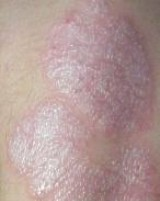
Psoriasis is a non infectious but often distressing auto immune condition which affects the skin and sometimes the joints. It occurs as the body produces additional scaly skin in raised silvery white dry patches called psoriatic plaques often over or around reddened skin.
Typically these patches can occur on the elbows, knees, genitals or scalp. Finger and toe nails can be affected too creating a ‘yellowing’.
As many as 15% of people who get psoriasis may get psoriatic arthritis as well – where joints become inflamed.
Stress, smoking and alcohol, cold weather and illness can all contribute to psoriasis. Medications such as lithium, quinine, and those that treat high blood pressure and inflammation also provoke psoriasis.
In 1979 the World Health Organisation listed 40 major diseases that could find relief by acupuncture treatment and psoriasis is one of these.
Medical attention should be sought immediately if psoriasis develops over a large portion of the body.
Case History: Extreme Psoriasis
A thirty two year old woman came for acupuncture with extreme psoriasis on her feet. Her feet were cracking open, with large cracks on the sides of her feet which were bleeding, painful and distressing. She had developed it 19 months earlier and been suffering ever since.
She had been offered treatment through her GP and specialist but she was concerned about the side effects which could have had long term effects on her fertility prospects also kidney and liver function.
She had rapid improvement with her acupuncture treatment and after a few sessions was coming every two to three weeks and her feet were looking good with no cracks. Two years later she continues to come for treatment every two to three weeks and remains in good shape with her psoriasis completely under control.
What will the Acupuncture treatment for Psoriasis be like?
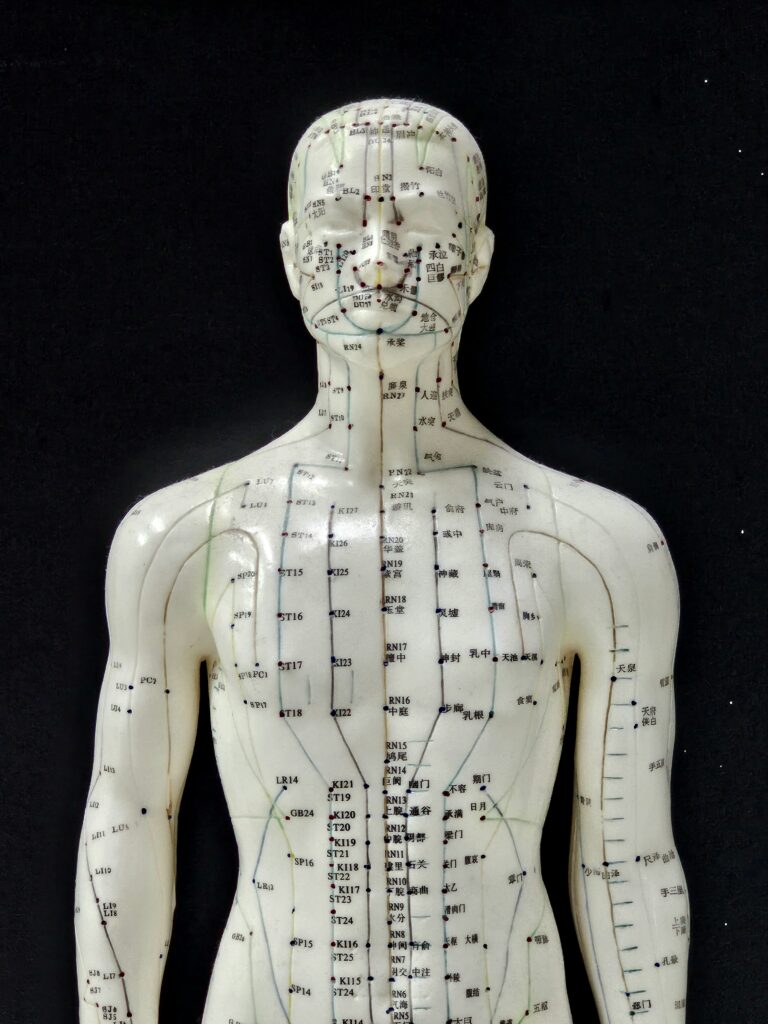
For psoriasis, the acupuncture points used are selected according to the underlying cause. The acupuncturist looks from a holistic perspective to restore balance which in turn allows the body to heal itself.
The needles are incredibly fine and most people are not put off – in fact they are usually pleasantly surprised by how they enjoy the treatment.
Acupuncturists also sometimes use electro-acupuncture (needles stimulated by very mild electric current), heat with moxibustion (burning herbs) and cupping (relieving tension and improving circulation with glass cups on the skin).
How many Acupuncture treatments?
The number of acupuncture treatments required will depend on a number of factors: how long someone has had the symptoms, the intensity of the symptoms at the time of starting treatment, and their overall health. Once symptoms have cleared some ongoing treatment is recommended on a regular basis perhaps every 2-3 weeks depending on the individual.
Acupuncture treatment also reduces stress and anxiety. A common response from an acupuncture patient is “I feel so much better in myself since I started having acupuncture”. As both these factors are known to trigger psoriasis, acupuncture prevents them occurring which in turn can help stop the psoriasis flaring up.
Why else to choose Acupuncture? :
- Very Low risk: Acupuncture is very safe when performed by a trained professional.
- Naturally calming: Many people feel deeply relaxed during or after treatment (often falling asleep during treatment).
- Drug-free: It helps the body heal without medication or potentially worrying side effects.
- Minimal discomfort: Needles are hair-thin and usually painless.
- Mild effects only: Rare side effects include slight redness or brief bruising.
To talk to Richard about how acupuncture might help you personally.

You can call or text Richard to book or make an enquiry 0117 4034240 or 07970 873417
Richard will respond promptly, even if you need to leave a message