
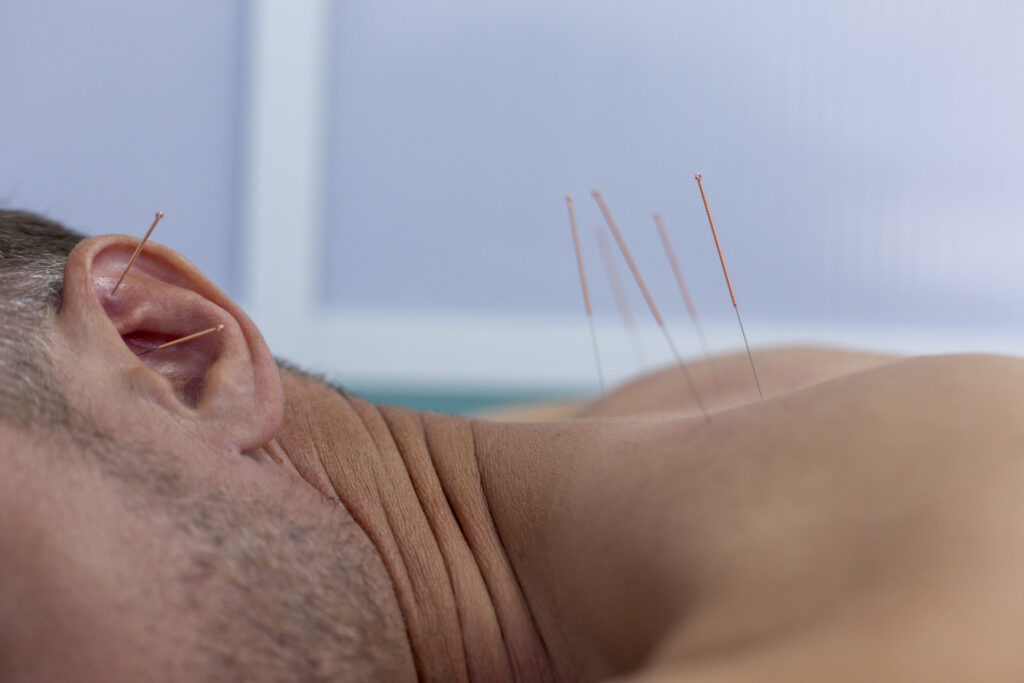
Acupuncture alters brain chemistry in a way that frequently leaves patients feeling calmer & more up beat. It is believed to help treat depression through multiple physiological and neurological mechanisms. While the exact process is still being researched, several key effects of acupuncture on the body may contribute to its antidepressant properties
If you’d like to talk to Richard about how acupuncture might help you personally, click here for contact and location information.
Scientific explanation follows – or skip down to the bottom of this page to read ‘Clinical Evidence’ & ‘Why else to choose Acupuncture’
1. Regulation of Neurotransmitters
Acupuncture is thought to modulate the production and activity of key neurotransmitters involved in mood regulation, including:
- Serotonin (5-HT): Low serotonin levels are linked to depression. Acupuncture may increase serotonin production, improving mood and emotional stability.
- Dopamine & Norepinephrine: These neurotransmitters play roles in motivation, pleasure, and focus. Acupuncture may help balance their levels, reducing symptoms of apathy and low energy.
- Endorphins: Acupuncture stimulates the release of endorphins, the body’s natural painkillers and mood boosters, which can help alleviate depressive symptoms.
2. Reduction of Cortisol and Stress Hormones
- Chronic stress and depression are associated with elevated cortisol levels (the stress hormone). Acupuncture has been shown to lower cortisol, helping to reduce stress, anxiety, and the physiological effects of depression.
3. Anti-Inflammatory Effects
- Depression has been linked to chronic inflammation in the body. Acupuncture is thought to have anti-inflammatory effects, helping to regulate immune responses and reduce systemic inflammation, which may improve depressive symptoms.
4. Improved Sleep Quality
- Insomnia and poor sleep are common in people with depression. Acupuncture may help regulate the body’s circadian rhythm and promote deeper, more restorative sleep, which is essential for emotional well-being.
5. Balancing the Autonomic Nervous System
- Acupuncture influences the autonomic nervous system, shifting the body from a sympathetic (fight-or-flight) dominant state to a parasympathetic (rest-and-digest) state, promoting relaxation and emotional stability.
6. Enhancing Brain Plasticity
- Some studies suggest that acupuncture may promote neuroplasticity, enhancing the brain’s ability to rewire itself in response to positive stimuli. This can be beneficial in reversing the negative thought patterns associated with depression.
7. Gut-Brain Connection
- Emerging research highlights the role of the gut microbiome in mental health. Acupuncture may help regulate digestion and gut bacteria, which in turn influences mood and emotional resilience.
Clinical Evidence
- Several systematic reviews and meta-analyses suggest that acupuncture can be an effective standalone treatment or complement to antidepressants for managing depression.
- Some studies indicate that acupuncture can produce similar clinical efficacy to antidepressants, but with fewer side effects.
Why else to choose Acupuncture :
- Very Low risk: Acupuncture is very safe when performed by a trained professional.
- Naturally calming: Many people feel deeply relaxed during or after treatment (often falling asleep during treatment).
- Drug-free: It helps the body heal without medication or potentially worrying side effects.
- Minimal discomfort: Needles are hair-thin and usually painless.
– - Mild effects only: Rare side effects include slight redness or brief bruising

You can call or text Richard to book or make an enquiry 0117 4034240 or 07970 873417 Richard will respond promptly, even if you need to leave a message